
CreativeExplorer-MichaelMandaville.com
I work in Film. I live in Martial Arts. I thrive in Imagination.

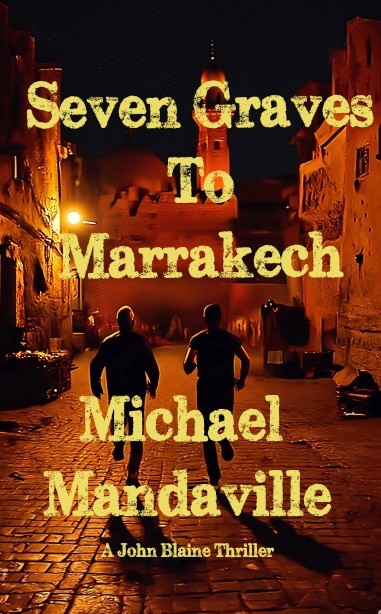
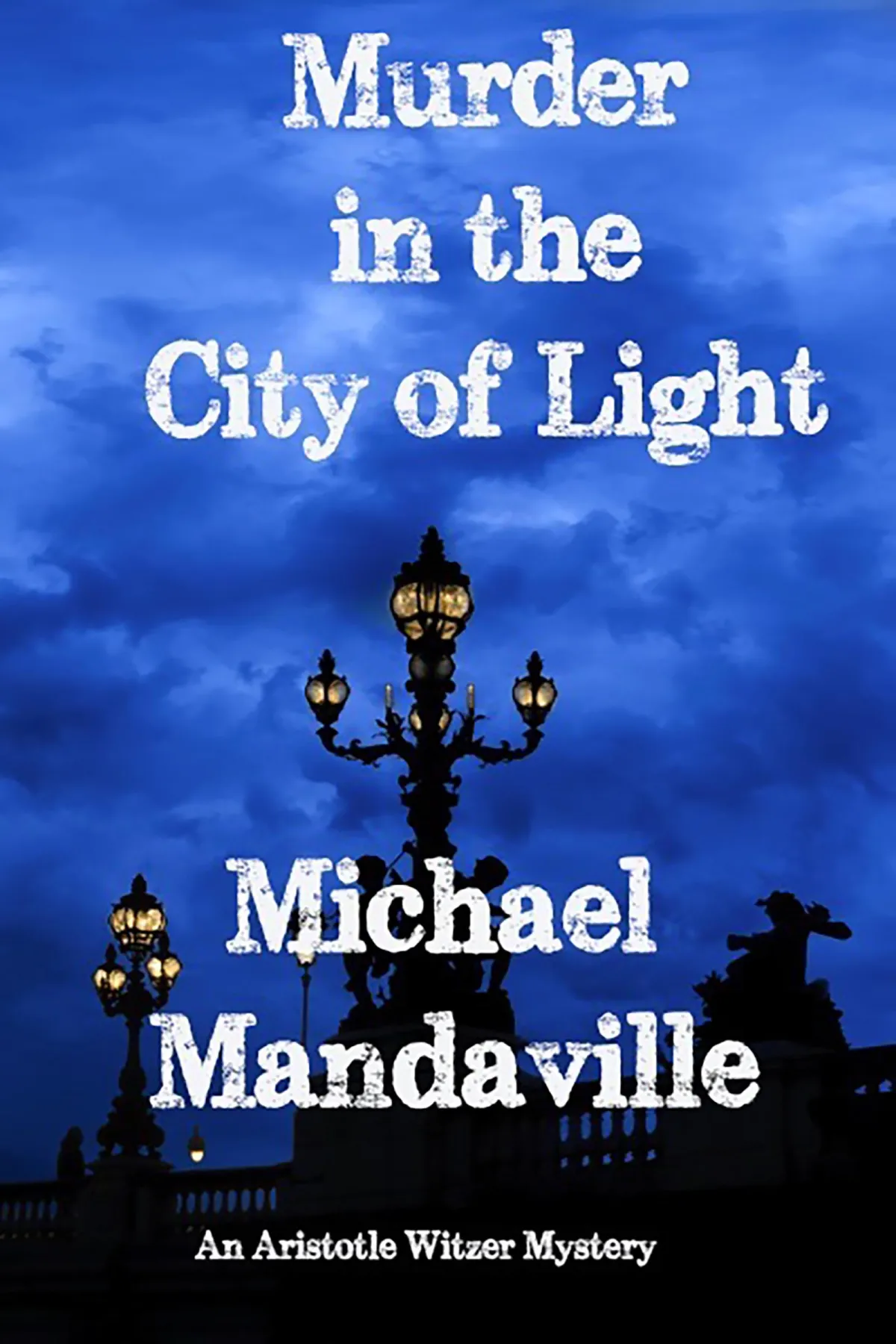
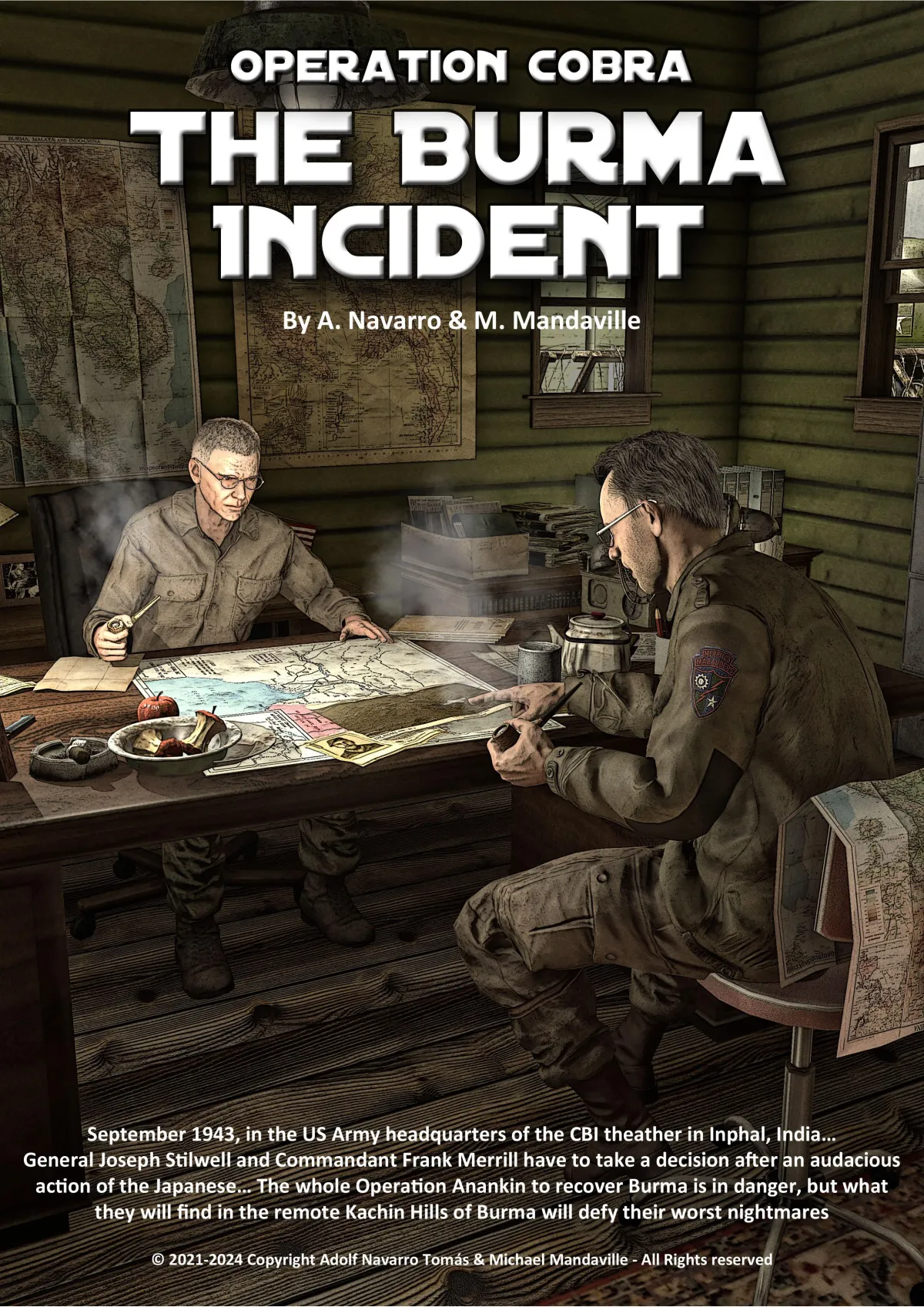
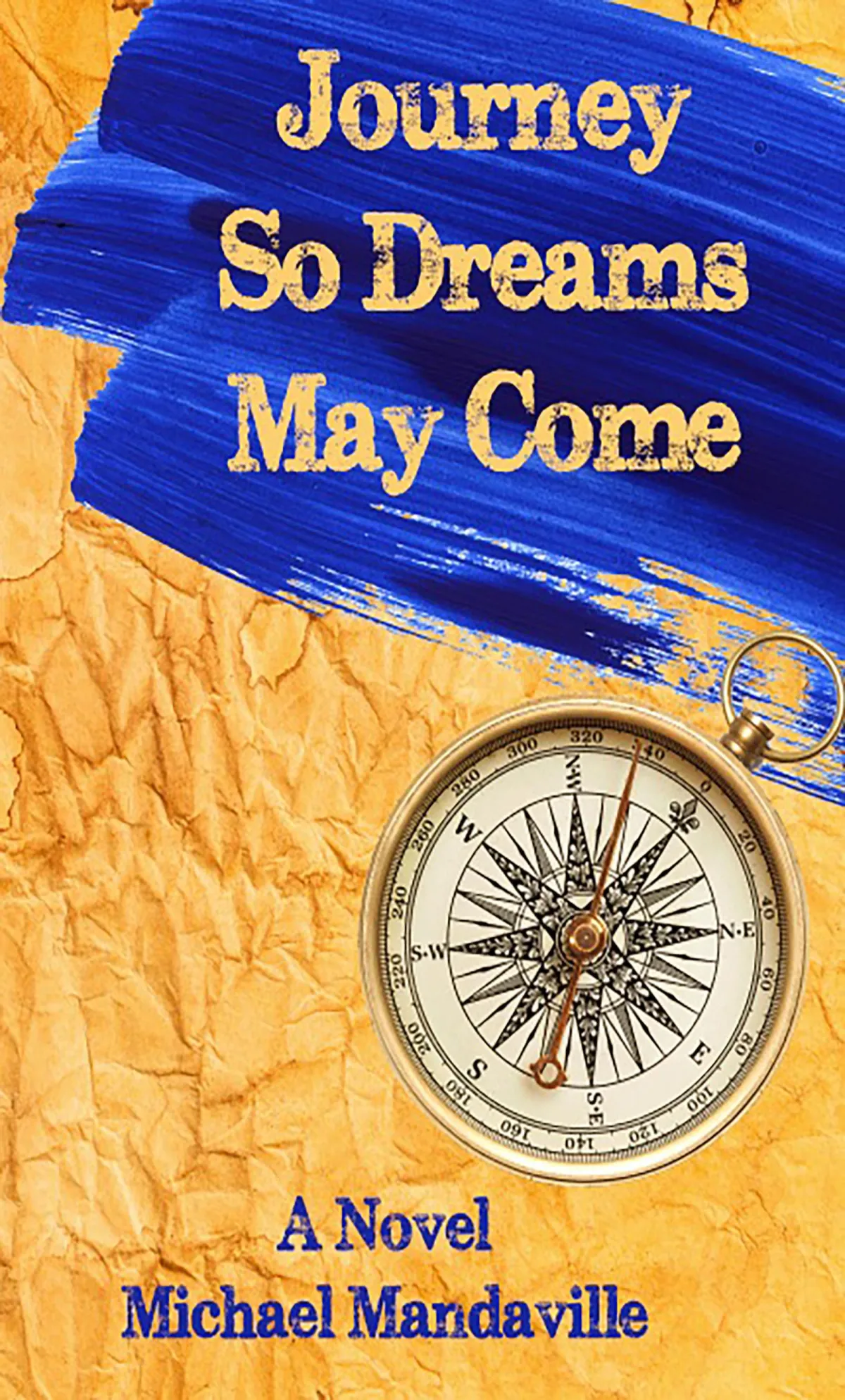


Filmmaking & Writing
Scholar Warrior Way
Current Events
Tactic: Write a Book - "Vandalising Ireland"
TACTIC: WRITE A BOOK
Books have changed the world by exposing injustice, authoritarians, conditions of people and more. Numerous books have been written to expose the Truth of conditions and the scourge of authoritarian behavior.

Why Write a book?
One such book right now is about Ireland's crushing EU authoritarianism and their horrific immigration policy to Ireland called "Vandalising Ireland" written by Dr. Eoin Lenihan whom I consider a friend and a fellow conjurer of the Earth i.e. a gardener. Written about Ireland's contemporary electoral, immigration and crime crises (yes, plural intended), Eoin provides enormous detail and insight into the current Irish EU centric ruling class. They care little for the Irish citizen but much for EU praise.
The first book that deeply affected me was Germinal by Emile Zola. Germinal is the thirteenth novel in Émile Zola's twenty-volume seriesLes Rougon-Macquart. Often considered Zola's masterpiece and one of the most significant novels in the French tradition, the novel – an uncompromisingly harsh and realistic story of a coalminers' strike in northern France in the 1860s – has been published and translated in over one hundred countries. It has also inspired five film adaptations and two television productions.

Other books deeply affected my outlooks, especially 1984 by George Orwell and several books by Soviet dissident Aleksandr Solzhenitsyn. So I read more and more. Again, returning to reading Hannah Arendt now.
Writing has long served as a powerful form of protest against authoritarian governments and oppressive policies. Through fiction, essays, manifestos, and exposés, authors expose injustice, critique power structures, inspire resistance, and mobilize public opinion—often at great personal risk. Literature humanizes the oppressed, satirizes rulers, and preserves truths that regimes seek to suppress, influencing movements and sometimes contributing to societal change.Featured Examples
Germinal by Émile Zola (1885)
This naturalistic novel depicts the brutal exploitation of coal miners in 19th-century France, culminating in a failed strike crushed by authorities. Zola's vivid portrayal protested capitalist oppression and inhumane working conditions under the Second Empire, becoming a rallying cry for labor movements and socialist causes.The Federalist Papers by Alexander Hamilton, James Madison, and John Jay (1787–1788)
These essays advocated for the U.S. Constitution's ratification, arguing that a balanced federal republic with checks and powers would prevent tyranny and authoritarian centralization—contrasting with fears of monarchy or mob rule under the weak Articles of Confederation. They laid foundational defenses against concentrated power.Works by Leo Tolstoy, particularly The Kingdom of God Is Within You (1894) and Resurrection (1899)
Tolstoy's later nonfiction and novels embraced Christian anarchism and pacifism, rejecting state violence, militarism, and Tsarist authoritarianism in Russia. He called for non-resistance to evil and moral self-improvement over institutional power, influencing figures like Gandhi and challenging imperial oppression.
Ten Other Influential Books
Here are ten additional books widely recognized for challenging authoritarianism or profoundly changing the world through protest, exposure, or ideas:
1984 by George Orwell (1949) — A dystopian warning against totalitarianism, surveillance, and truth manipulation, drawing from Stalinist and Nazi regimes; it popularized terms like "Big Brother" and inspired resistance to oppressive control.
Animal Farm by George Orwell (1945) — A satirical allegory of the Russian Revolution and Stalin's betrayal of socialist ideals, critiquing authoritarian corruption and propaganda.
Uncle Tom's Cabin by Harriet Beecher Stowe (1852) — This anti-slavery novel humanized enslaved people and protested the authoritarian institution of slavery in the U.S., galvanizing abolitionism and contributing to the Civil War.
The Gulag Archipelago by Aleksandr Solzhenitsyn (1973) — An exposé of Soviet forced labor camps, documenting Stalinist repression; it undermined the regime's legitimacy and aided global anti-communist sentiment.
Darkness at Noon by Arthur Koestler (1940) — A novel critiquing Stalin's show trials and totalitarian logic, exposing the betrayal of revolutionary ideals.
The Origins of Totalitarianism by Hannah Arendt (1951) — Analyzes Nazi and Stalinist regimes, warning against ideology-driven authoritarianism and loss of individual rights.
Doctor Zhivago by Boris Pasternak (1957) — Smuggled out of the USSR, this epic protested Soviet suppression of personal freedom and artistic expression during revolution and Stalinism.
Things Fall Apart by Chinua Achebe (1958) — Challenges colonial authoritarianism by depicting the destruction of Igbo society under British rule, influencing postcolonial thought.
One Day in the Life of Ivan Denisovich by Aleksandr Solzhenitsyn (1962) — Highlights the brutality of Soviet gulags, permitted briefly during de-Stalinization but protesting ongoing repression.
Homage to Catalonia by George Orwell (1938)
Orwell's firsthand account of fighting in the Spanish Civil War exposed Stalinist betrayal and manipulation within the Republican side, protesting totalitarian communism and the suppression of anarchist and Trotskyist factions.
These works demonstrate literature's role in confronting power, often banned or censored yet enduring as catalysts for change. Many were written under or in response to direct authoritarian threats, proving words can outlast regimes.

Tactic: Write a Book - "Vandalising Ireland"
TACTIC: WRITE A BOOK
Books have changed the world by exposing injustice, authoritarians, conditions of people and more. Numerous books have been written to expose the Truth of conditions and the scourge of authoritarian behavior.
Why Write a book?
One such book right now is about Ireland's crushing EU authoritarianism and their horrific immigration policy to Ireland called "Vandalising Ireland" written by Dr. Eoin Lenihan whom I consider a friend and a fellow conjurer of the Earth i.e. a gardener. Written about Ireland's contemporary electoral, immigration and crime crises (yes, plural intended), Eoin provides enormous detail and insight into the current Irish EU centric ruling class. They care little for the Irish citizen but much for EU praise.
The first book that deeply affected me was Germinal by Emile Zola. Germinal is the thirteenth novel in Émile Zola's twenty-volume seriesLes Rougon-Macquart. Often considered Zola's masterpiece and one of the most significant novels in the French tradition, the novel – an uncompromisingly harsh and realistic story of a coalminers' strike in northern France in the 1860s – has been published and translated in over one hundred countries. It has also inspired five film adaptations and two television productions.
Other books deeply affected my outlooks, especially 1984 by George Orwell and several books by Soviet dissident Aleksandr Solzhenitsyn. So I read more and more. Again, returning to reading Hannah Arendt now.
Writing has long served as a powerful form of protest against authoritarian governments and oppressive policies. Through fiction, essays, manifestos, and exposés, authors expose injustice, critique power structures, inspire resistance, and mobilize public opinion—often at great personal risk. Literature humanizes the oppressed, satirizes rulers, and preserves truths that regimes seek to suppress, influencing movements and sometimes contributing to societal change.Featured Examples
Germinal by Émile Zola (1885)
This naturalistic novel depicts the brutal exploitation of coal miners in 19th-century France, culminating in a failed strike crushed by authorities. Zola's vivid portrayal protested capitalist oppression and inhumane working conditions under the Second Empire, becoming a rallying cry for labor movements and socialist causes.The Federalist Papers by Alexander Hamilton, James Madison, and John Jay (1787–1788)
These essays advocated for the U.S. Constitution's ratification, arguing that a balanced federal republic with checks and powers would prevent tyranny and authoritarian centralization—contrasting with fears of monarchy or mob rule under the weak Articles of Confederation. They laid foundational defenses against concentrated power.Works by Leo Tolstoy, particularly The Kingdom of God Is Within You (1894) and Resurrection (1899)
Tolstoy's later nonfiction and novels embraced Christian anarchism and pacifism, rejecting state violence, militarism, and Tsarist authoritarianism in Russia. He called for non-resistance to evil and moral self-improvement over institutional power, influencing figures like Gandhi and challenging imperial oppression.
Ten Other Influential Books
Here are ten additional books widely recognized for challenging authoritarianism or profoundly changing the world through protest, exposure, or ideas:
1984 by George Orwell (1949) — A dystopian warning against totalitarianism, surveillance, and truth manipulation, drawing from Stalinist and Nazi regimes; it popularized terms like "Big Brother" and inspired resistance to oppressive control.
Animal Farm by George Orwell (1945) — A satirical allegory of the Russian Revolution and Stalin's betrayal of socialist ideals, critiquing authoritarian corruption and propaganda.
Uncle Tom's Cabin by Harriet Beecher Stowe (1852) — This anti-slavery novel humanized enslaved people and protested the authoritarian institution of slavery in the U.S., galvanizing abolitionism and contributing to the Civil War.
The Gulag Archipelago by Aleksandr Solzhenitsyn (1973) — An exposé of Soviet forced labor camps, documenting Stalinist repression; it undermined the regime's legitimacy and aided global anti-communist sentiment.
Darkness at Noon by Arthur Koestler (1940) — A novel critiquing Stalin's show trials and totalitarian logic, exposing the betrayal of revolutionary ideals.
The Origins of Totalitarianism by Hannah Arendt (1951) — Analyzes Nazi and Stalinist regimes, warning against ideology-driven authoritarianism and loss of individual rights.
Doctor Zhivago by Boris Pasternak (1957) — Smuggled out of the USSR, this epic protested Soviet suppression of personal freedom and artistic expression during revolution and Stalinism.
Things Fall Apart by Chinua Achebe (1958) — Challenges colonial authoritarianism by depicting the destruction of Igbo society under British rule, influencing postcolonial thought.
One Day in the Life of Ivan Denisovich by Aleksandr Solzhenitsyn (1962) — Highlights the brutality of Soviet gulags, permitted briefly during de-Stalinization but protesting ongoing repression.
Homage to Catalonia by George Orwell (1938)
Orwell's firsthand account of fighting in the Spanish Civil War exposed Stalinist betrayal and manipulation within the Republican side, protesting totalitarian communism and the suppression of anarchist and Trotskyist factions.
These works demonstrate literature's role in confronting power, often banned or censored yet enduring as catalysts for change. Many were written under or in response to direct authoritarian threats, proving words can outlast regimes.
Tactic: Write a Book - "Vandalising Ireland"
TACTIC: WRITE A BOOK
Books have changed the world by exposing injustice, authoritarians, conditions of people and more. Numerous books have been written to expose the Truth of conditions and the scourge of authoritarian behavior.
Why Write a book?
One such book right now is about Ireland's crushing EU authoritarianism and their horrific immigration policy to Ireland called "Vandalising Ireland" written by Dr. Eoin Lenihan whom I consider a friend and a fellow conjurer of the Earth i.e. a gardener. Written about Ireland's contemporary electoral, immigration and crime crises (yes, plural intended), Eoin provides enormous detail and insight into the current Irish EU centric ruling class. They care little for the Irish citizen but much for EU praise.
The first book that deeply affected me was Germinal by Emile Zola. Germinal is the thirteenth novel in Émile Zola's twenty-volume seriesLes Rougon-Macquart. Often considered Zola's masterpiece and one of the most significant novels in the French tradition, the novel – an uncompromisingly harsh and realistic story of a coalminers' strike in northern France in the 1860s – has been published and translated in over one hundred countries. It has also inspired five film adaptations and two television productions.
Other books deeply affected my outlooks, especially 1984 by George Orwell and several books by Soviet dissident Aleksandr Solzhenitsyn. So I read more and more. Again, returning to reading Hannah Arendt now.
Writing has long served as a powerful form of protest against authoritarian governments and oppressive policies. Through fiction, essays, manifestos, and exposés, authors expose injustice, critique power structures, inspire resistance, and mobilize public opinion—often at great personal risk. Literature humanizes the oppressed, satirizes rulers, and preserves truths that regimes seek to suppress, influencing movements and sometimes contributing to societal change.Featured Examples
Germinal by Émile Zola (1885)
This naturalistic novel depicts the brutal exploitation of coal miners in 19th-century France, culminating in a failed strike crushed by authorities. Zola's vivid portrayal protested capitalist oppression and inhumane working conditions under the Second Empire, becoming a rallying cry for labor movements and socialist causes.The Federalist Papers by Alexander Hamilton, James Madison, and John Jay (1787–1788)
These essays advocated for the U.S. Constitution's ratification, arguing that a balanced federal republic with checks and powers would prevent tyranny and authoritarian centralization—contrasting with fears of monarchy or mob rule under the weak Articles of Confederation. They laid foundational defenses against concentrated power.Works by Leo Tolstoy, particularly The Kingdom of God Is Within You (1894) and Resurrection (1899)
Tolstoy's later nonfiction and novels embraced Christian anarchism and pacifism, rejecting state violence, militarism, and Tsarist authoritarianism in Russia. He called for non-resistance to evil and moral self-improvement over institutional power, influencing figures like Gandhi and challenging imperial oppression.
Ten Other Influential Books
Here are ten additional books widely recognized for challenging authoritarianism or profoundly changing the world through protest, exposure, or ideas:
1984 by George Orwell (1949) — A dystopian warning against totalitarianism, surveillance, and truth manipulation, drawing from Stalinist and Nazi regimes; it popularized terms like "Big Brother" and inspired resistance to oppressive control.
Animal Farm by George Orwell (1945) — A satirical allegory of the Russian Revolution and Stalin's betrayal of socialist ideals, critiquing authoritarian corruption and propaganda.
Uncle Tom's Cabin by Harriet Beecher Stowe (1852) — This anti-slavery novel humanized enslaved people and protested the authoritarian institution of slavery in the U.S., galvanizing abolitionism and contributing to the Civil War.
The Gulag Archipelago by Aleksandr Solzhenitsyn (1973) — An exposé of Soviet forced labor camps, documenting Stalinist repression; it undermined the regime's legitimacy and aided global anti-communist sentiment.
Darkness at Noon by Arthur Koestler (1940) — A novel critiquing Stalin's show trials and totalitarian logic, exposing the betrayal of revolutionary ideals.
The Origins of Totalitarianism by Hannah Arendt (1951) — Analyzes Nazi and Stalinist regimes, warning against ideology-driven authoritarianism and loss of individual rights.
Doctor Zhivago by Boris Pasternak (1957) — Smuggled out of the USSR, this epic protested Soviet suppression of personal freedom and artistic expression during revolution and Stalinism.
Things Fall Apart by Chinua Achebe (1958) — Challenges colonial authoritarianism by depicting the destruction of Igbo society under British rule, influencing postcolonial thought.
One Day in the Life of Ivan Denisovich by Aleksandr Solzhenitsyn (1962) — Highlights the brutality of Soviet gulags, permitted briefly during de-Stalinization but protesting ongoing repression.
Homage to Catalonia by George Orwell (1938)
Orwell's firsthand account of fighting in the Spanish Civil War exposed Stalinist betrayal and manipulation within the Republican side, protesting totalitarian communism and the suppression of anarchist and Trotskyist factions.
These works demonstrate literature's role in confronting power, often banned or censored yet enduring as catalysts for change. Many were written under or in response to direct authoritarian threats, proving words can outlast regimes.

Did You Know...
... if you improve 1/2% each day, then you will be 267% better over one year? Who can compete with that?
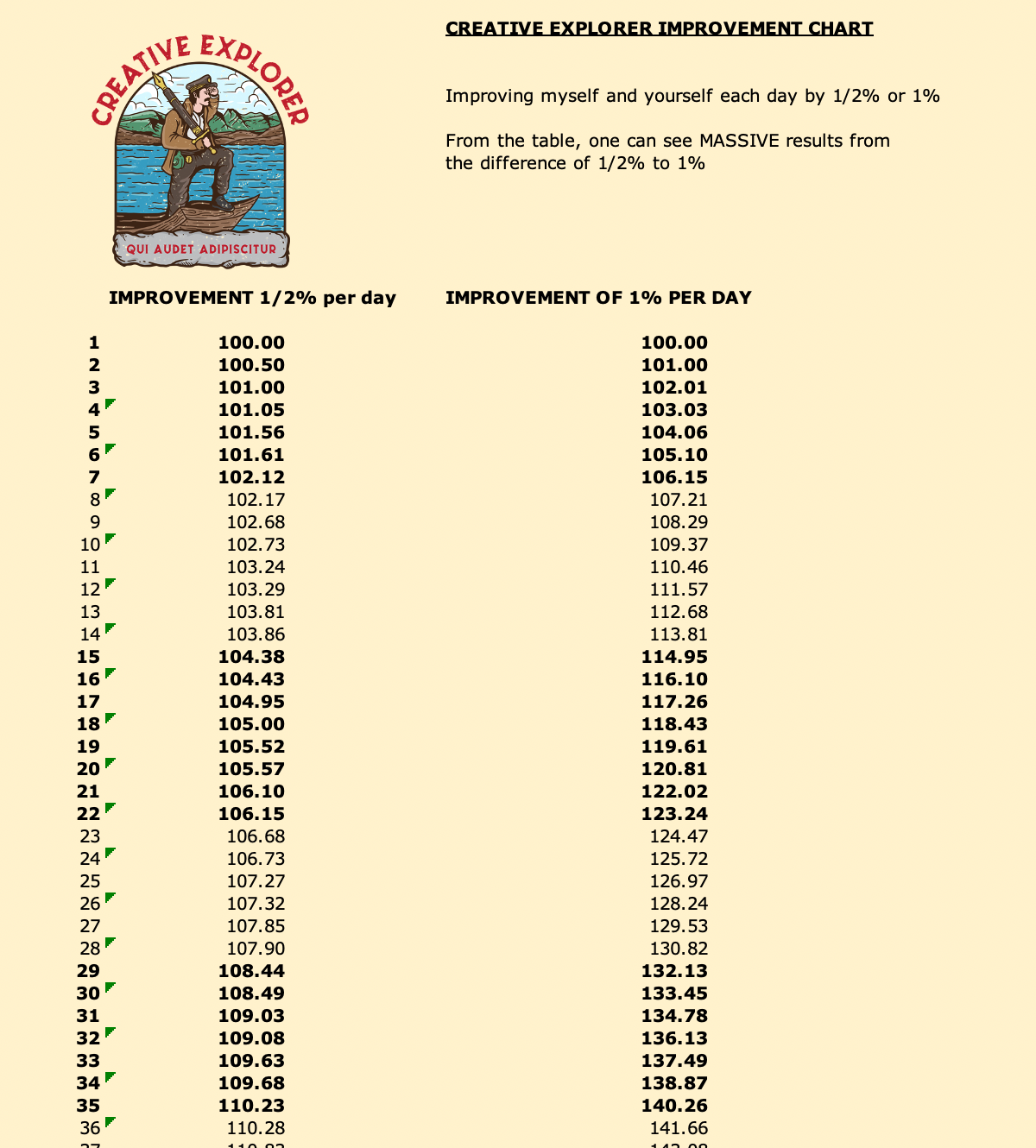
Setting Yourself Up for Success usually doesn't mean one big jump but rather incremental change day after day. Think of it like a ocean wave, moving far out in the Pacific with almost an undetectable push...finally with the power and grace of an ocean wave onto the beach. Create your own metaphor to embrace small habits with a huge future impact.


Facebook
Instagram
X
LinkedIn
Youtube
Website