

CreativeExplorer-MichaelMandaville.com
I work in Film. I live in Martial Arts. I thrive in Imagination.



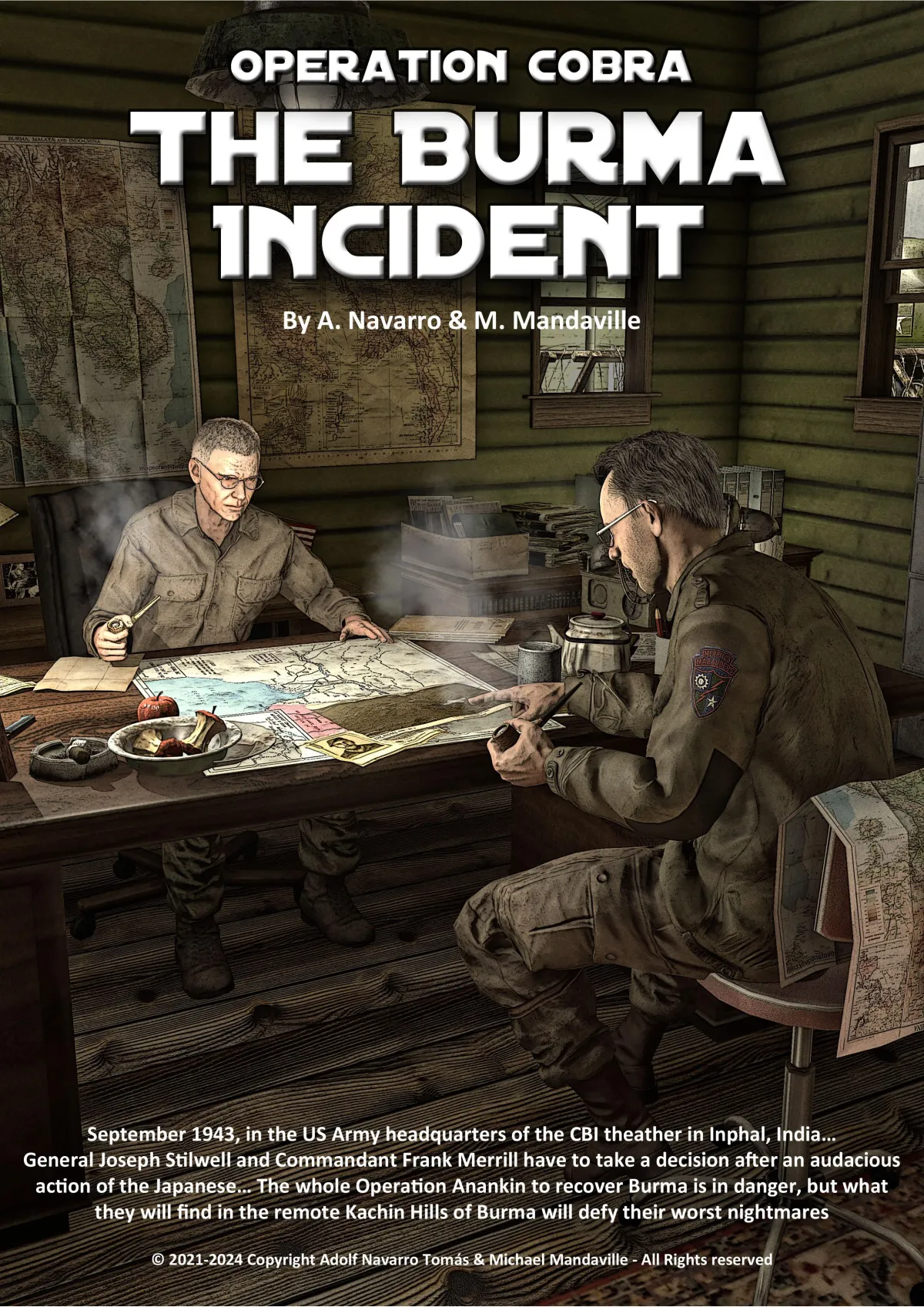





Famine Walk - Ireland
Source: Buchanan Dublin Timemachine
@RobLooseCannon on X
In 1849, hundreds of starving men, women, and children set out on a harrowing overnight death march from Louisburgh, Co. Mayo, to Delphi Lodge, a hunting retreat nestled deep in the mountains.
They had no choice.
Two government officials had arrived in Louisburgh to determine whether famine relief, an essential lifeline of grain, would continue for the destitute. Yet, without conducting an inspection, the officials departed for Delphi, ordering the desperate crowds to follow. Their names were Captain Primrose and Colonel Hogrove. The people were given a deadline. Present themselves at Delphi Lodge by seven o'clock the following morning, or be struck off the relief list entirely.
A timed ultimatum, dressed up as procedure. In the darkness, hundreds of emaciated people, described as "living skeletons", struggled through the treacherous Doolough Valley. The brutal wind and rain showed no mercy. Some were found afterwards with grass still in their mouths, eaten in a final, desperate attempt to keep moving. By morning, at least 16 lay dead along the roadside, their bodies abandoned to the elements. Among them was a woman named Dalton, found lifeless with her son and daughter.
Two unnamed men, who perished just a mile from Louisburgh, were left exposed for days, prey for dogs and ravens. Those who survived the march and reached Delphi Lodge were told the officials could not be disturbed. They were at lunch. When the meeting eventually took place, the people were sent away with nothing.
The whole affair might have been quietly buried in that mountain pass, forgotten like the dead, were it not for a letter published in the Mayo Constitution, signed only as "A Ratepayer." The local relieving officer, Michael Carroll, was later dismissed. His books were not in order, which was offered as the official explanation for why no inspection ever took place at Louisburgh. Carroll lost his job. Primrose and Hogrove kept theirs.
The Doolough Tragedy became a searing symbol of government neglect and cruelty during the Great Famine. A memorial stone near the lake now stands as a solemn reminder, etched with the haunting words: "How can men feel themselves honoured by the humiliation of their fellow beings?"
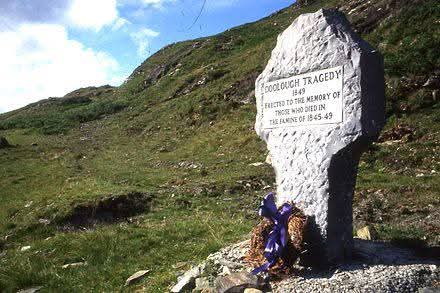
From 1988 onwards, the harrowing inhumanity has been remembered with an annual Famine Walk, retracing the desperate route of those who perished. Figures such as Archbishop Desmond Tutu and Waylon Gary White Deer of the Choctaw Nation have walked in solidarity. Their nation donated to Irish Famine relief in 1847, having survived the Trail of Tears themselves just years before.
In 2013, Delphi Lodge, once the site of such inhuman indifference, finally acknowledged its past. For the first time, it welcomed the walk onto its 1,000-acre estate, stating: "By opening our gates to the Afri Famine Walk, Delphi Lodge is acknowledging our part in what happened in 1849, instead of ignoring it."
Today, a Famine Exhibition Centre in Louisburgh tells the full story.
Support the DTM Book https://ko-fi.com/buchanandublintimemachine


Did You Know...
... if you improve 1/2% each day, then you will be 267% better over one year? Who can compete with that?
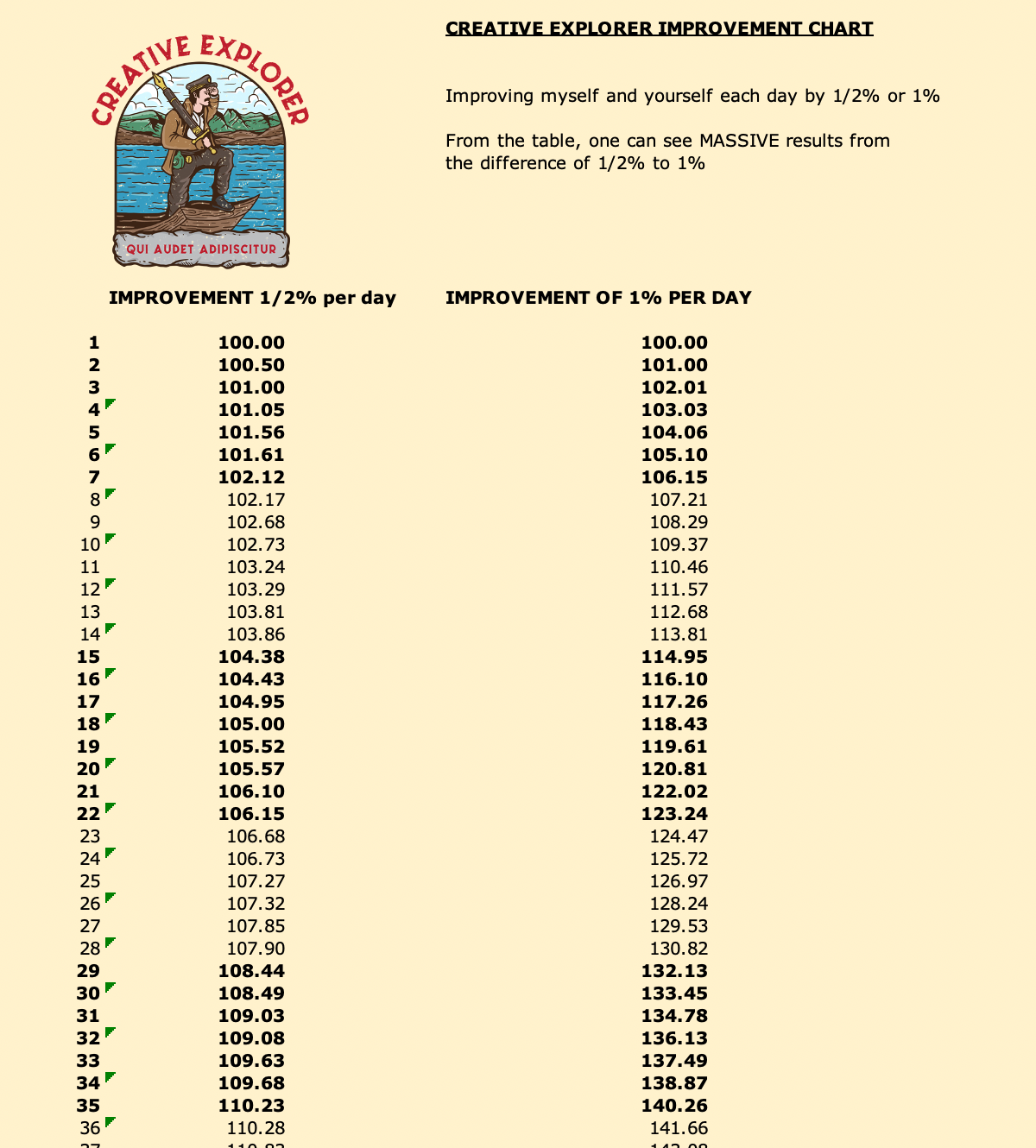
Setting Yourself Up for Success usually doesn't mean one big jump but rather incremental change day after day. Think of it like a ocean wave, moving far out in the Pacific with almost an undetectable push...finally with the power and grace of an ocean wave onto the beach. Create your own metaphor to embrace small habits with a huge future impact.
