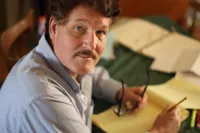
CreativeExplorer-MichaelMandaville.com
I work in Film. I live in Martial Arts. I thrive in Imagination.
Warrior (also Arthouse Action Films)
Badass Action in Mind and Body is the Journey
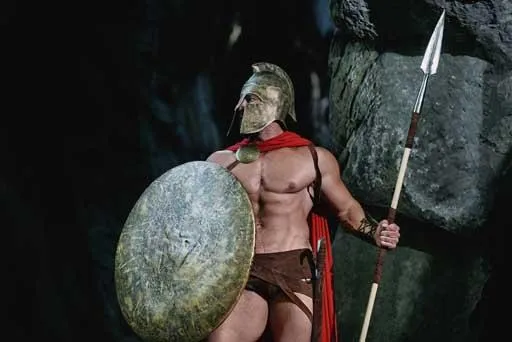
Why the Warrior?
The greatest fight you will ever have is inside your own head. Mindset is key. Yet we act in an outside world to seek opportunities, adventure, comrades-in-arms and a fulfilling and authentic life. At the same time, we inspire and find great inspiration in films that are Epic like "Gladiator" or dangerous like "The Great Raid" or "Saving Private Ryan".
This section is about Badassery in real life and in films so you might find Martial Arts, Movies, Fool Stunts and more. Oh, weapons and World War II.
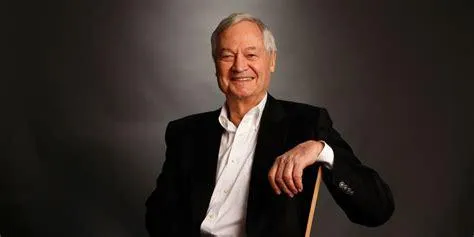
Roger Corman RIP
“You can make a movie about anything as long as it has a hook to hang the advertising on. - Roger Corman
I worked in two offices as a production assistant for Roger Corman in Venice and up at Concorde. He was a man driven for story, entrepreneurial spirit and filmmaking.
Roger William Corman (April 5, 1926 – May 9, 2024) was an American film director, producer, and actor.[2][3] Known under various monikers such as "The Pope of Pop Cinema", "The Spiritual Godfather of the New Hollywood", and "The King of Cult", he was known as a trailblazer in the world of independent film.[4] Many of Corman's films are low-budget cult films including some which are adapted from the tales of Edgar Allan Poe.[5] [from Wikipedia]
Corman is also famous for handling the U.S. distribution of many films by noted foreign directors, including Federico Fellini (Italy), Ingmar Bergman (Sweden), François Truffaut (France) and Akira Kurosawa (Japan).

Roger had some old lumber yard in Venice which was converted to a 'studio'. He didn't repaint the roof of the studio because 'it would not make me any money.' He was an Independent filmmaker when the studios were in full-swing and guided the careers of many aspiring filmmakers into the mainstream world.
He mentored and gave a start to many young film directors such as Francis Ford Coppola,[10] Ron Howard,[11] Martin Scorsese,[12] Jonathan Demme,[13] Peter Bogdanovich,[14] Joe Dante,[15] John Sayles,[16] and James Cameron,[17][18] and was highly influential in the New Hollywood filmmaking movement of the 1960s and 1970s.[19][20]